


Breast reduction surgery can be life-changing. It brings relief from chronic neck, back, and shoulder pain, improves mobility, and restores confidence in the way clothes fit and feel. But one of the most common concerns patients have before surgery is how noticeable the scars will be.
Dr. Glenn Lyle, a board-certified plastic surgeon based in Raleigh, NC, understands these concerns. With more than three decades of surgical experience, he specializes in natural-looking results and advanced breast surgery techniques that prioritize patient safety, proportionate outcomes, and minimal scarring. If you are considering breast reduction, this guide will help you understand how scarring occurs, what can be done to reduce it, and why choosing the right surgeon matters.
Understanding Why Scars Form After Breast Reduction
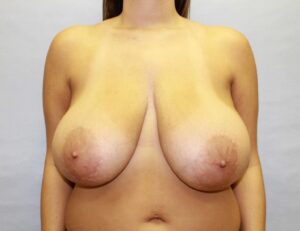
Scars are the natural result of the body healing after an incision is made. In breast reduction surgery, incisions are necessary to remove excess tissue, lift the breast, and reshape the contour. The size and location of the scars depend on the surgical technique used and the amount of reduction required.
Several variables affect how scars form and heal. Skin type and genetics play a role, as some individuals are more prone to developing thicker or more pigmented scars. The amount of tissue removed and how the skin is closed after surgery also influence how a scar looks. High skin tension during closure can lead to wider or raised scars. Additionally, lifestyle factors like smoking or poor nutrition can compromise healing. The care taken after surgery, including cleanliness and protecting the incisions from sun exposure, contributes significantly to how well the skin recovers.
While it is impossible to eliminate scars completely, an experienced surgeon can significantly reduce their visibility through advanced techniques and thoughtful surgical planning.
Surgical Techniques That Reduce Scarring
Dr. Glenn Lyle takes a personalized approach to every breast reduction procedure. He designs each surgical plan around the patient’s anatomy, skin elasticity, breast size, degree of sagging, and goals. This attention to detail begins well before the first incision.
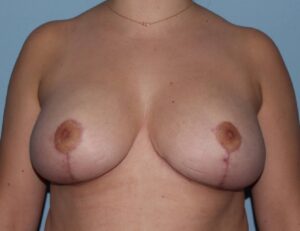
One of the most commonly used patterns is the anchor incision, also known as the Wise pattern. This involves three incisions: one around the areola, one vertical line extending from the areola to the breast fold, and one along the natural crease under the breast. This technique is often the most suitable for patients with a large amount of tissue to remove or who have significant breast sagging. It allows for maximum reshaping and lifting of the breast while keeping the scars placed in natural folds of the body.
For women who need a more moderate reduction or have better skin quality, a vertical incision, also called the lollipop incision, may be used. This avoids the horizontal incision in the breast fold, resulting in less scarring on the underside of the breast. While this method is not ideal for every patient, it can be very effective when less skin needs to be removed.
Dr. Lyle performs approximately 75 percent of reductions using the anchor method and about 25 percent using the vertical pattern. These decisions are made based on a thorough evaluation during consultation. He uses meticulous surgical techniques, including multi-layered internal suturing, to ensure there is minimal tension on the skin surface. This approach helps the incisions heal with thinner, flatter scars.
In select cases, particularly in patients who have lost significant weight or have thin tissues, Dr. Lyle may incorporate internal mesh support. This technique helps maintain the breast shape over time and prevents sagging that could otherwise stretch scars. Mesh reinforcement also contributes to a longer-lasting aesthetic result and may reduce the need for future revision procedures. By taking tension off the inferior incisions- scar thickness may be reduced.
In some cases- potential outcome images can be created using Crisalix 3D imaging but usually for milder cases. Most patients will bring in photos from websites showing desired results.. This tool allows patients to visualize their potential outcomes and gives Dr. Lyle greater precision in mapping the exact surgical approach. Better planning leads to more predictable healing and more refined scars.
Post-Surgical Care Makes a Big Difference
Healing doesn’t stop in the operating room. What you do after surgery plays a major role in how your scars form and mature. Dr. Lyle provides detailed recovery instructions to every patient to support healing and help reduce visible scarring.
Wearing the right post-operative garment is critical. Dr. Lyle places his patients with a supportive binder or surgical bra immediately after surgery. This garment should be worn for at least the four weeks to reduce swelling and provide gentle pressure to the healing tissues. After that initial stage, patients transition into a comfortable compression bra. Continued support during healing helps prevent skin from pulling or stretching in ways that could worsen scar appearance.
Incision care is just as important. Patients are advised to keep their incisions clean and dry, especially in the early days after surgery. Any signs of infection or irritation should be reported promptly. Avoiding smoking is crucial because it restricts blood flow and oxygen delivery to healing tissues, which can delay recovery and lead to more noticeable scarring. Studies show that covering incisions with paper tapes or Steristrips reduces scars. Dr Lyle uses these for at least 3 weeks.
Activity restrictions are also necessary. Lifting heavy objects or raising your arms above shoulder level too soon can place unnecessary strain on the incisions. Patients are encouraged to rest, move gently, and follow specific guidelines provided by Dr. Lyle and his team.
Once the incisions are closed and cleared for topical treatment, typically within three to four weeks, scar therapy begins. Silicone tapes or silicone-based gels are among the most effective options for managing scar development. These products keep the area hydrated and protected, which encourages better skin remodeling. Dr. Lyle may also recommend scar massage to improve circulation and soften any areas that feel firm or raised.
For patients who want additional support, Dr. Lyle offers the Derma V Nd-Yag vascular laser at his Raleigh practice. This device targets red pigments in the scars and provides substantial improvement in pink or purple coloration. He also offers Red light therapy. This non-invasive treatment can help reduce inflammation and support skin regeneration, leading to smoother and lighter scars over time. Incorporating such treatments early in the healing phase provides patients with more options for improving their long-term results. Problem scars that are thickened despite these measures can be treated with steroid or 5- FU injections to make them softer.
What to Expect as Scars Mature
Scars evolve over time. Initially, they are often pink or red and slightly raised. This is a normal part of the healing process. Over the next several months, scars typically fade, soften, and flatten. The process is gradual and can take more than a year to fully complete.
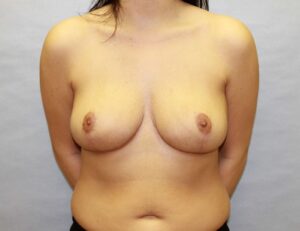
By about three to six months, most scars are no longer red and begin to blend with the surrounding skin. Around twelve months, many will appear as thin, pale lines. While some patients may develop more noticeable scarring due to their unique skin response or healing challenges, the vast majority of patients see significant improvement with time and proper care.
It is also worth noting that the placement of breast reduction scars is generally discreet. The incisions are made in areas that are naturally concealed by bras and most swimwear. Around the areola, the scar typically blends well with the darker skin tones, and the vertical and inframammary scars are hidden beneath the breast fold.
For those who develop hypertrophic or pigmented scars, long-term scar management options are available. These might include laser therapy or prescription-strength topical treatments offered by Dr. Lyle. In rare cases, surgical revision may be considered, but this is typically only needed in complex cases.
Having realistic expectations is important. Every surgery will result in some scarring, but the goal is to make those scars as refined and unobtrusive as possible.

Frequently Asked Questions
Can breast reduction scars stretch out years after surgery?
Yes, they can. Significant weight changes, pregnancy, or lack of long-term support like bras may cause the skin to stretch and scars to widen subtly over time.
Do breast scars age differently than scars in other areas?
They might. Because breast skin is softer and more mobile, scars here can mature more gracefully than in high-motion areas like joints, especially with proper care.
Is it true that wearing your surgical bra incorrectly can worsen scars?
Yes. If the garment is too tight or too loose, it can create pressure points or allow the incisions to shift, both of which may affect how scars form.
Why do some breast scars look fine on one side and raised on the other?
Asymmetrical healing is common. Minor differences in blood flow, side-sleeping habits, or arm movement can affect how each breast heals.
Can stress or poor sleep affect scar healing?
Yes. High stress and disrupted sleep can slow collagen remodeling and increase inflammation, which may impact how your scars mature.
Is it possible to have almost invisible scars without laser treatments?
Yes, especially if the incisions are closed meticulously and you follow scar care protocols faithfully. Some patients heal with very faint lines using only silicone and time.
Are keloid scars common after breast reduction?
They are rare, but more likely in patients with a known tendency for keloids, especially those of African, Hispanic, or Asian descent. Dr. Lyle takes preventive steps if a patient is at risk.
Can wearing underwire bras after surgery affect scars?
Eventually yes, but not right away. Underwire bras should be avoided during early healing because the wire can rub against incisions, especially along the breast fold.
Why does Dr. Lyle use mesh in some cases, is it related to scarring?
Yes. Internal mesh helps support the breast and reduce downward pulling on the scar line, which can prevent widening or stretching over time.
Will my scars look worse if I tan after surgery?
Yes. Sun exposure can darken healing scars permanently. Even under a swimsuit, UV rays can penetrate, so full coverage or medical-grade SPF is essential.

Meet Dr. Glenn Lyle
Board Certified Plastic Surgeon
Dr. Glenn Lyle, a board-certified plastic surgeon, has been proudly serving the Raleigh, NC, community at Lyle Plastic Surgery and Aesthetics Center since 2002. With a deep passion for helping patients reclaim their confidence, Dr. Lyle specializes in transformative breast surgery and body contouring procedures. Whether addressing the effects of weight loss, pregnancy, or aging, his expert care and artistic approach empower individuals to look and feel their best. Dr. Lyle is dedicated to creating beautiful, natural results that reflect each patient’s personal journey and goals.
Why Raleigh Patients Choose Dr. Glenn Lyle for Breast Reduction
Choosing Confidence Over Fear
Breast reduction is not just a cosmetic change. For many women, it is a turning point in their lives. It alleviates years of physical discomfort and provides freedom from clothing limitations and social self-consciousness.
Scarring is a natural part of the process, but it should not be the reason to delay or avoid the surgery you need. When performed by an experienced plastic surgeon like Dr. Glenn Lyle, breast reduction can result in beautifully shaped breasts and scars that are subtle, well-placed, and cared for with intention.
Your body has carried a burden for long enough. You deserve relief and a renewed sense of self. With thoughtful planning, expert technique, and consistent post-operative care, your outcome can be both transformative and long-lasting.
Dr. Glenn Lyle is one of the most respected plastic surgeons in the Raleigh, NC area. His reputation for excellence in breast surgery extends to patients across Cary, Chapel Hill, Durham, and throughout North Carolina. Many women seek him out for his individualized approach, surgical precision, and commitment to helping patients look and feel their best.
With over 30 years of experience, Dr. Lyle specializes in procedures such as breast augmentation, breast lift, breast reduction, and breast revision surgery. His understanding of proportion, balance, and natural aesthetics allows him to create results that suit each patient’s unique body.
He operates in a fully accredited surgical facility in Raleigh and maintains the highest standards of sterility and safety. .
Patients trust him not only for his results but also for the way he communicates. He spends time during consultations listening to concerns, educating patients about their options, and building a shared vision for success.
Schedule Your Consultation with Dr. Glenn Lyle Today
If you are ready to take the next step toward breast reduction, Dr. Glenn Lyle invites you to schedule a consultation at his Raleigh, NC practice. His approach is patient-centered, skillfully executed, and always focused on achieving natural results that align with your goals.
Schedule your consultation and begin your journey toward a lighter, more comfortable, and more confident life.
Further Reading
- Read Dr Glenn Lyle’s Blog on Do I Need a Breast Lift or a Breast Reduction?
- Read Dr Glenn Lyle’s Blog on Teenage Breast Reduction
- Read Dr Glenn Lyle’s Blog on What is Macromastia? Causes and Surgical Solutions
- Read Dr Glenn Lyle’s Blog on How to Minimize Breast Lift Scars: Expert Tips and Techniques
- Read Dr Glenn Lyle’s Blog on Causes and Solutions for Droopy Breasts

